
The Rector of Bengkulu University (Unib), Dr. Retno Agustina Ekaputri, S.E, M.Sc, accompanied by the Vice Rector for Resources, Yefriza, S.E, MPPM, Ph.D, and academics from various faculties within Unib, visited and participated in non-degree training at the School of Health Profession Education (SHE), Maastricht University, the Netherlands, from October 28 to November 8, 2024.
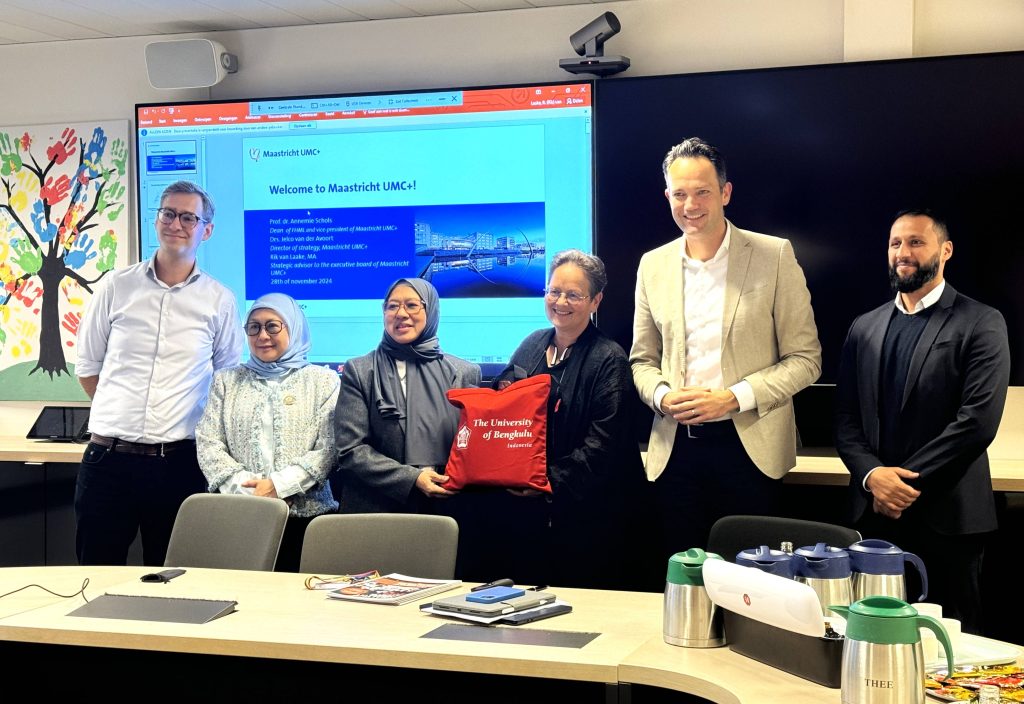
This activity was carried out to support preparations for the opening of the Unib Teaching Hospital, which is currently undergoing physical construction in the Padang Harapan area of Bengkulu City.
In line with the theme “From Classroom to Clinic: A Holistic Comparison of Curriculum, Management, Facilities, and Residency Models Between Maastricht University and Indonesian Medical Institutions,” this visit and training activity aims to deepen the Unib delegation’s insight into curriculum management, facilities, and residency systems at medical institutions.
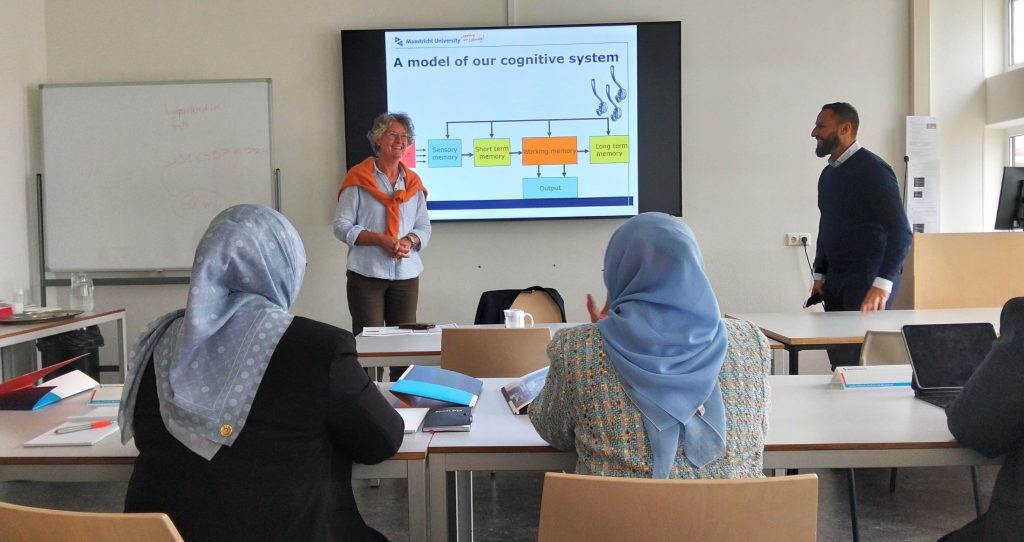
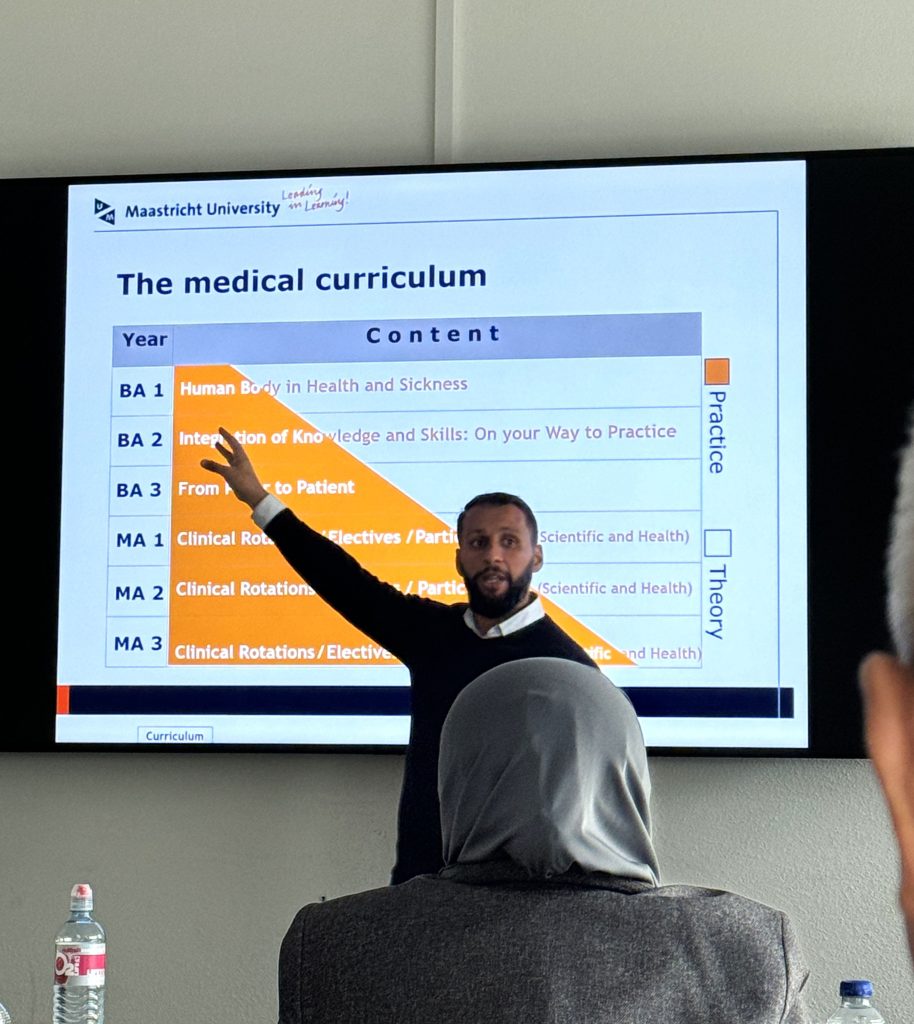
This training provides academics with new insights into the integrated hospital management model implemented at Maastricht University Medical Center (MUMC+), covering education, healthcare, and research.
MUMC+ was chosen as a reference due to its success in integrating education, research, and healthcare services in one area.
The Vice Rector for Resources, Yefriza, said that as an ACQUIN internationally accredited university, Unib continues to demonstrate its commitment to expanding its international network in order to improve the quality of education and healthcare services in Indonesia, especially in Bengkulu Province.
The non-degree visit and training program at the School of Health Profession Education (SHE), Maastricht University, the Netherlands, is not only beneficial for enhancing Unib’s presence on the international stage but has also broadened the delegation’s understanding of standard development and resource capacity.
“We also learned about the importance of collaboration between hospitals and educational institutions to provide patient-centered services and conduct research in the field of health,” she said.
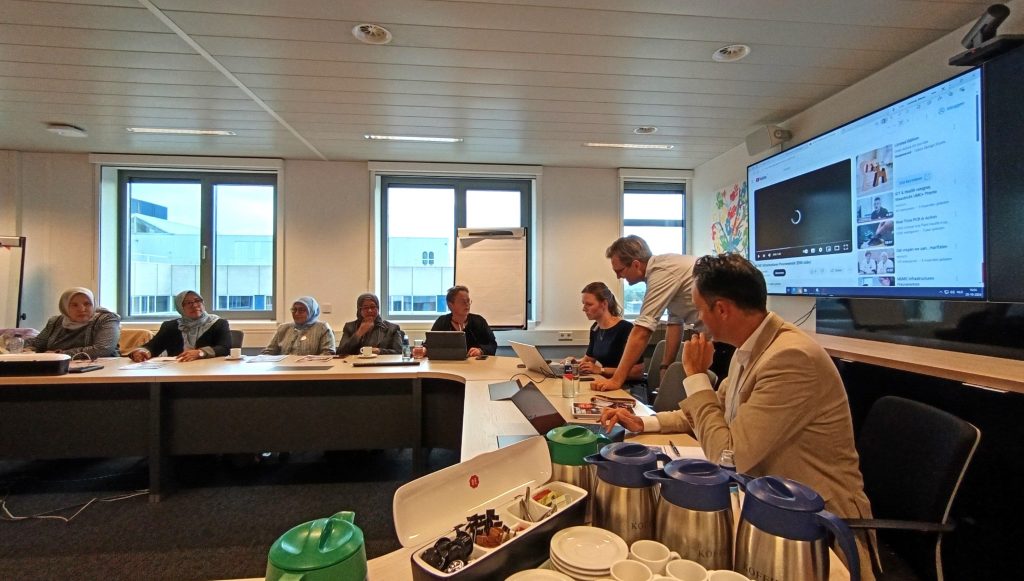
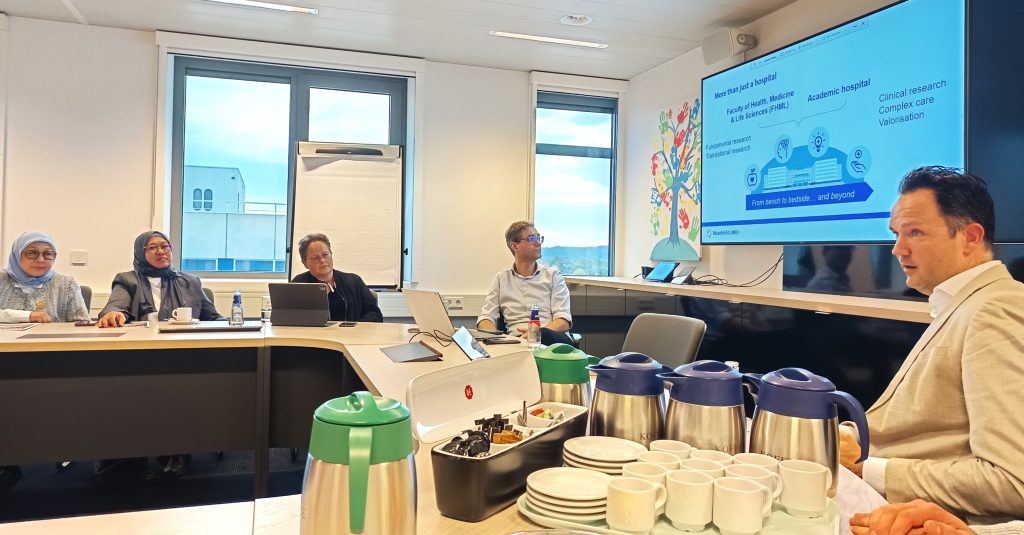
Yefriza added that by participating in training at the School of Health Profession Education (SHE) Maastricht University, the Unib delegation had a rare opportunity to understand the philosophy of medical teaching at MUMC+, academic infrastructure, hospitals, and the modern technology used.
The training participants were very enthusiastic about the entire training program, as it provided a reference for them in developing the University of Bengkulu’s Teaching Hospital, particularly in the application of problem-based learning with a more open evaluation system for students and lecturers.
In addition, the visit and training at Maastricht University Medical Center (MUMC+) provided many unique experiences, which will certainly be valuable assets in the future development of Unib’s hospital.
During this intensive program, the Unib delegation was guided by 15 professors and leaders from MUMC+. The topics covered included medical education philosophy, hospital management, leadership, laboratory facilities, residency programs, and clinical service development.
“All aspects of the training aim to enhance healthcare capabilities at the University of Bengkulu’s Teaching Hospital. Therefore, we gained a great deal of experience through this training program,” said Yefriza during the training.
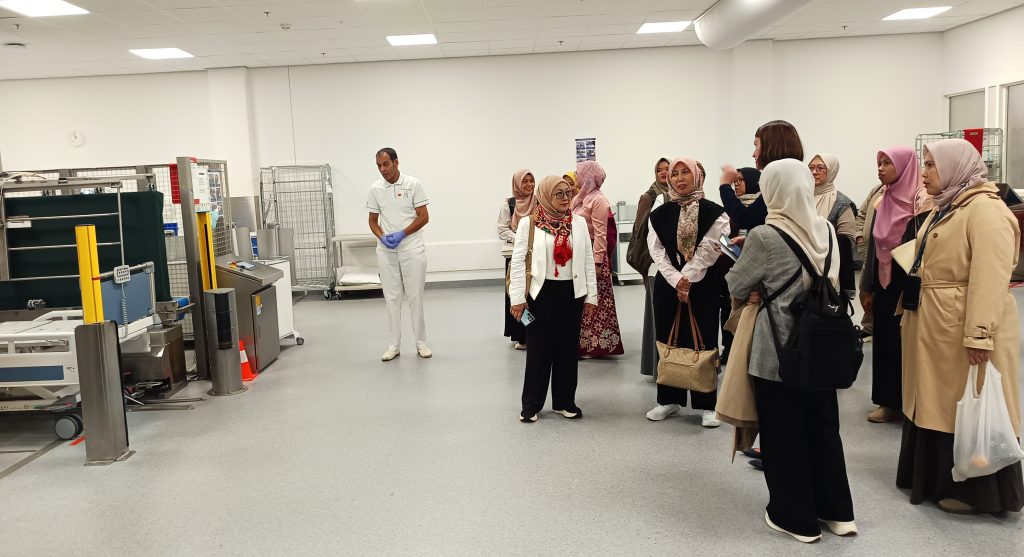
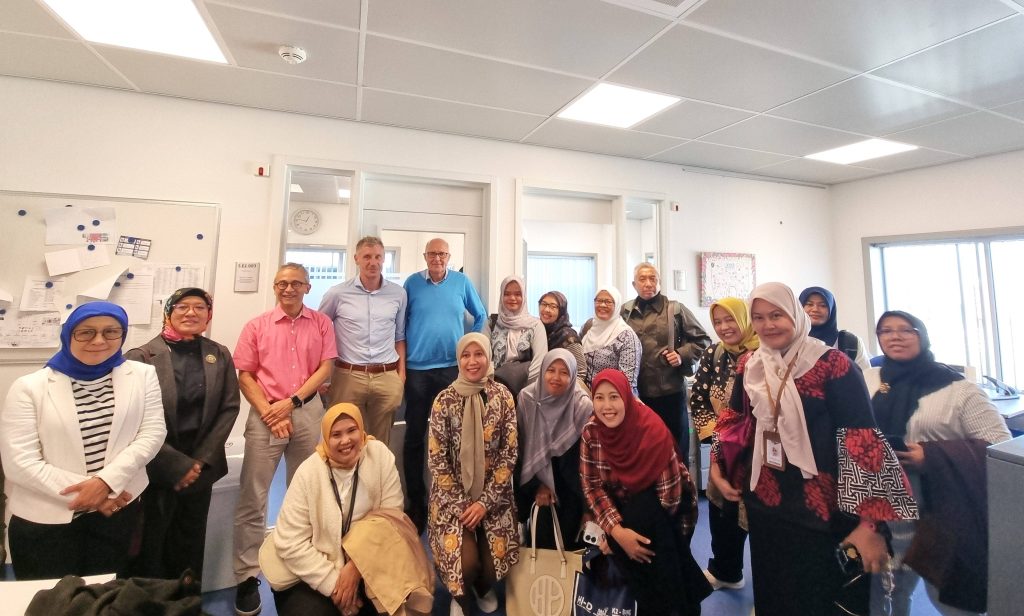
In addition, the Unib delegation also gained insight into the design of functional zones in health facilities that facilitate accessibility and efficiency of services in teaching hospitals. For example, at MUMC+ they saw how art in public spaces has a positive impact on patient psychology.
The Rector, Dr. Retno Agustin Ekaputri, who led the Unib delegation, said that this program was very effective in providing in-depth insight into the synergy between hospitals and universities in supporting medical services, research, and academic development.
“After seeing and studying the conditions at MUMC+, Unib plans to adopt several of MUMC+’s best practices that are relevant and in accordance with local regulations. For example, how to ensure that collaboration between universities and hospitals can be carried out optimally, synergizing health services and education,” she said.
“We are committed to improving education and health services inspired by MUMC+. With the experience gained from this training, Unib is ready to take further steps in advancing medical education and the quality of health services in Bengkulu and its surrounding areas,” said Dr. Retno.
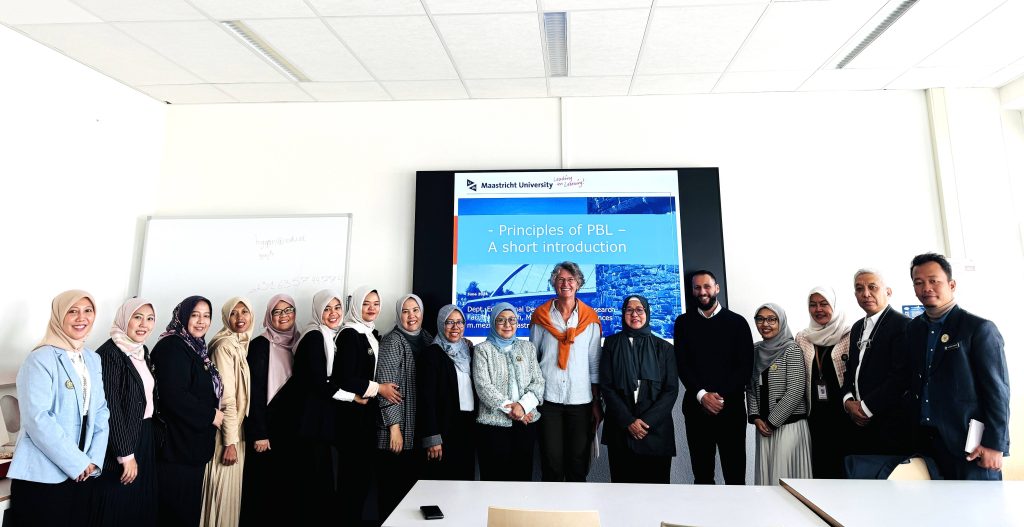
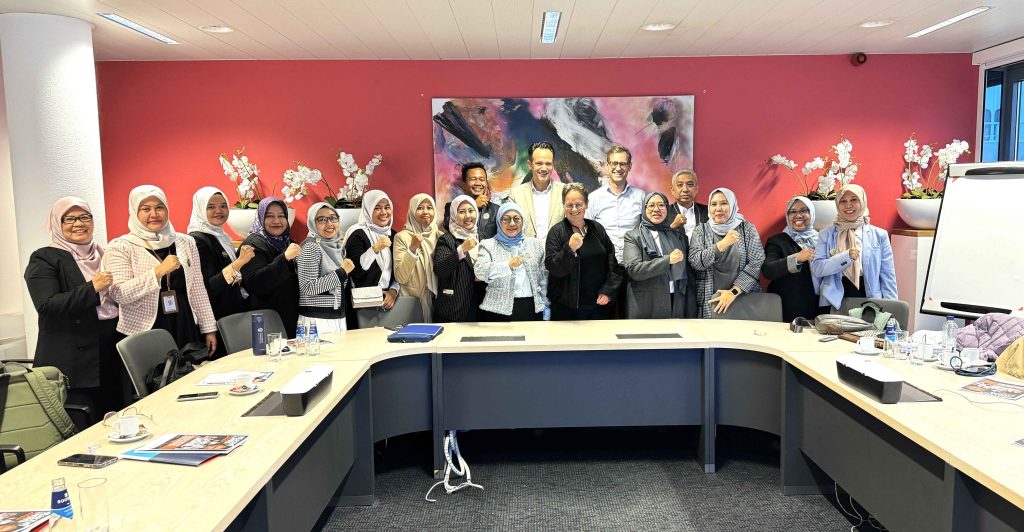
Non-degree training participants returned to Indonesia with new experiences to share from the land of windmills. These valuable experiences can later be adopted and applied in the development of hospital management, hospital facilities and services, health research, and academic development in the field of health sciences.
It is hoped that the Unib’s hospital can become a pioneer in health facilities that integrate services, research, and education in Bengkulu. [Report: M. Nur Dita Nugroho. Editor: Purna Herawan/Public Relations].