
Since the beginning of the month of Ramadhan 1445 H/2024 M, the Rector, Dr. Retno Agustina Ekaputri, S.E, M.Sc and her team visited Saudi Arabia. One of the important agendas of this visit was to hold discussions with the Saudi Fund for Development (SFD) regarding the acceleration of the construction process of the Integrated Teaching Hospital in Bengkulu City.
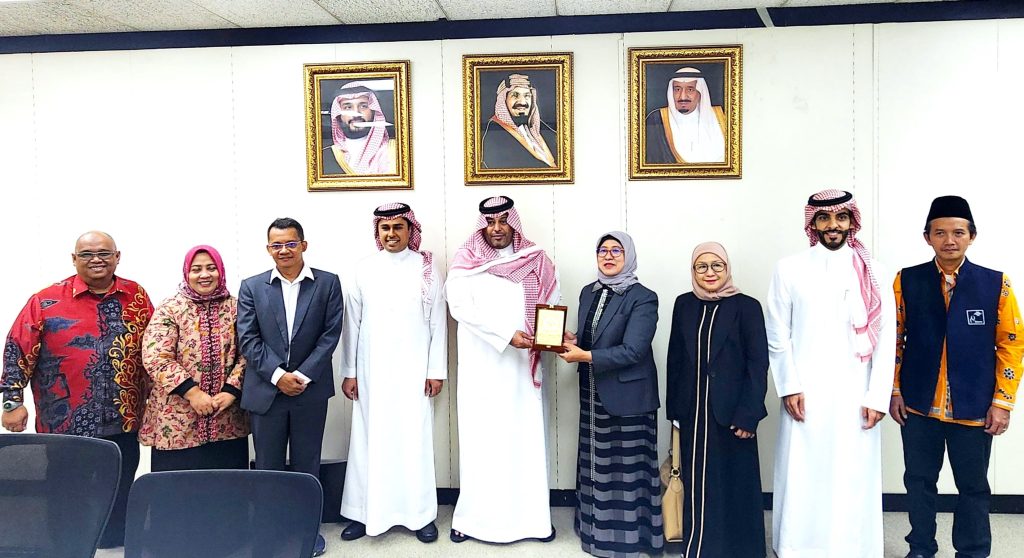
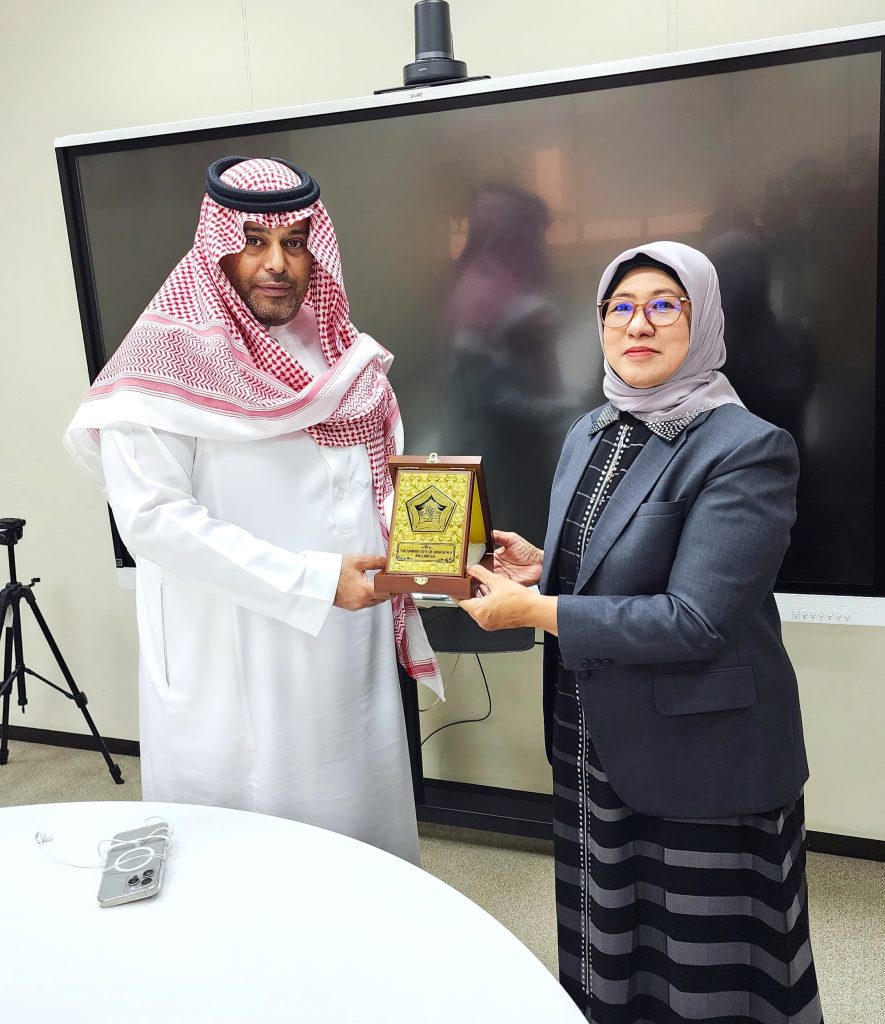
Also participating in the visit were the Vice Rector for Academic Affairs, Prof. Dr. Mochamad Lutfi Firdaus, S.Si, M.T, the Vice Rector for Resources Yefriza, S.E, MPPM, Ph.D and the Director of PMU, Ir. Mukhlis Islam, S.T, M.T along with the PMU members.
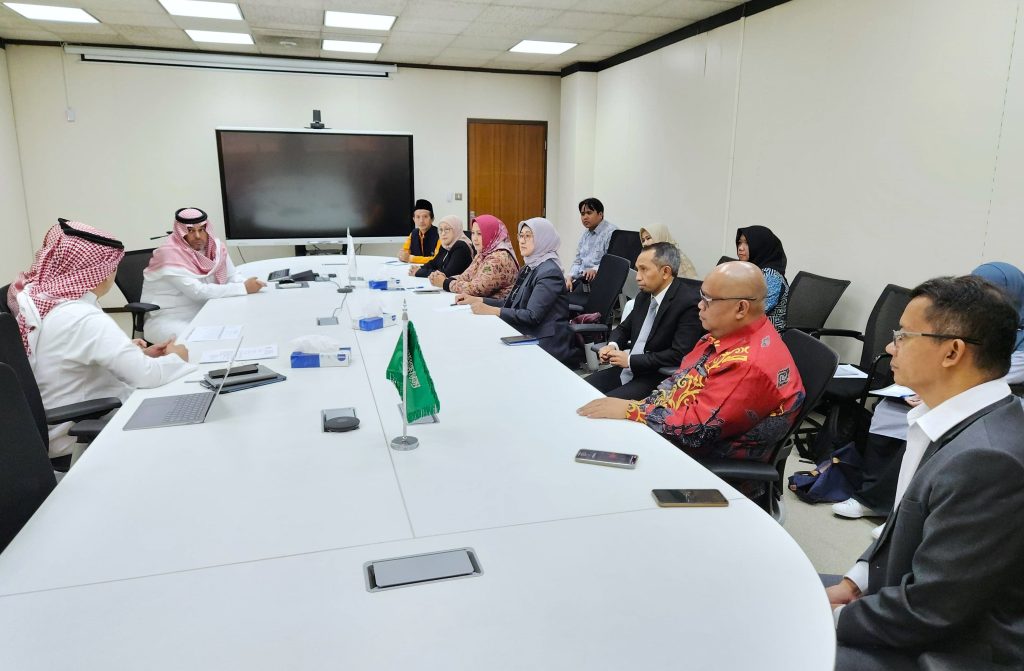
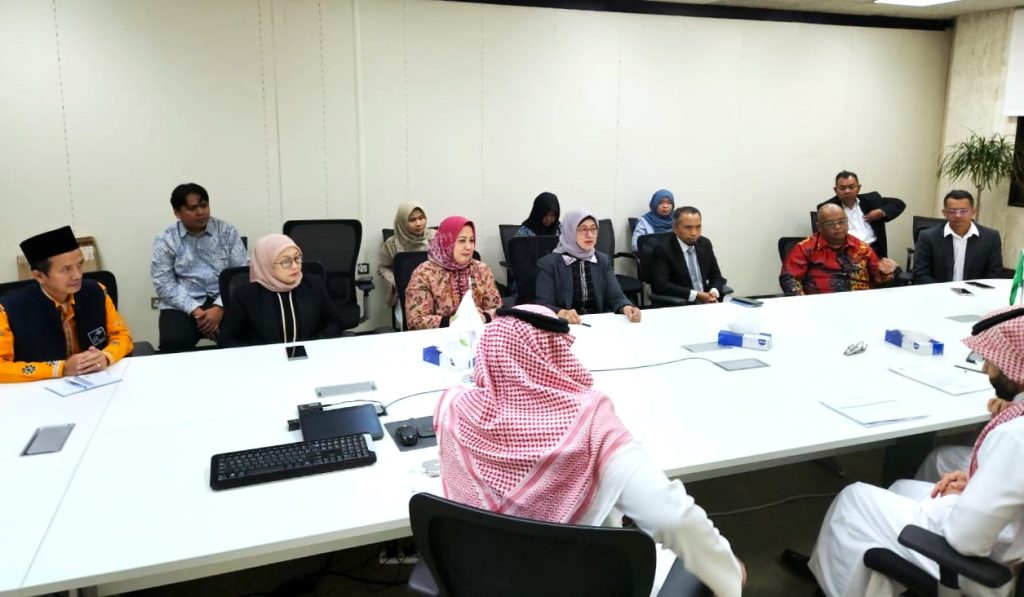
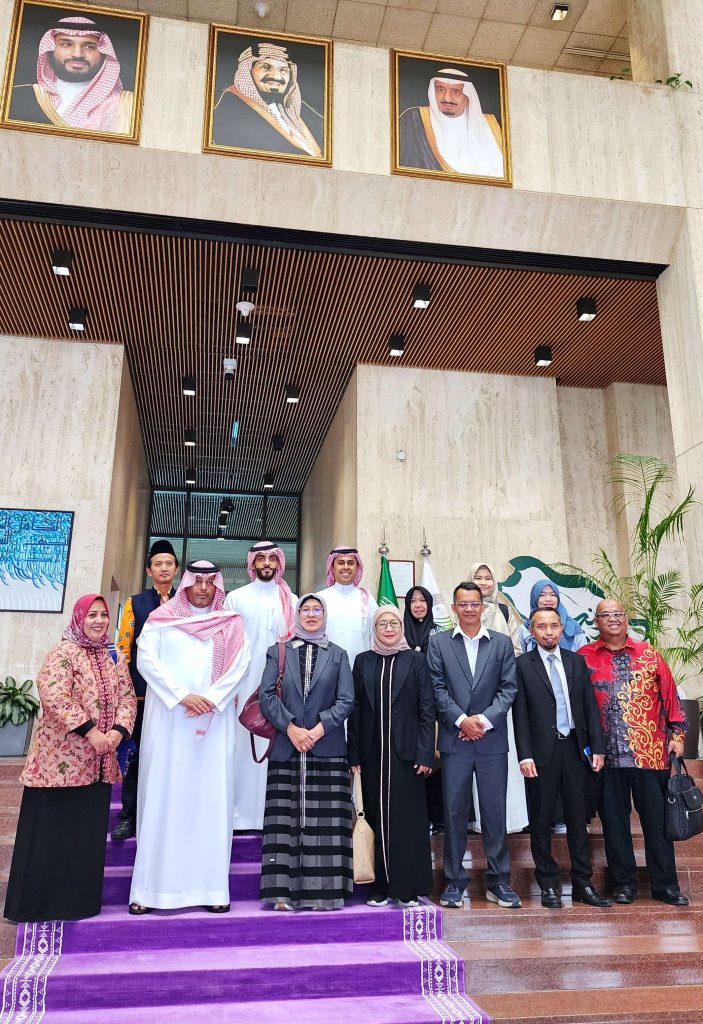
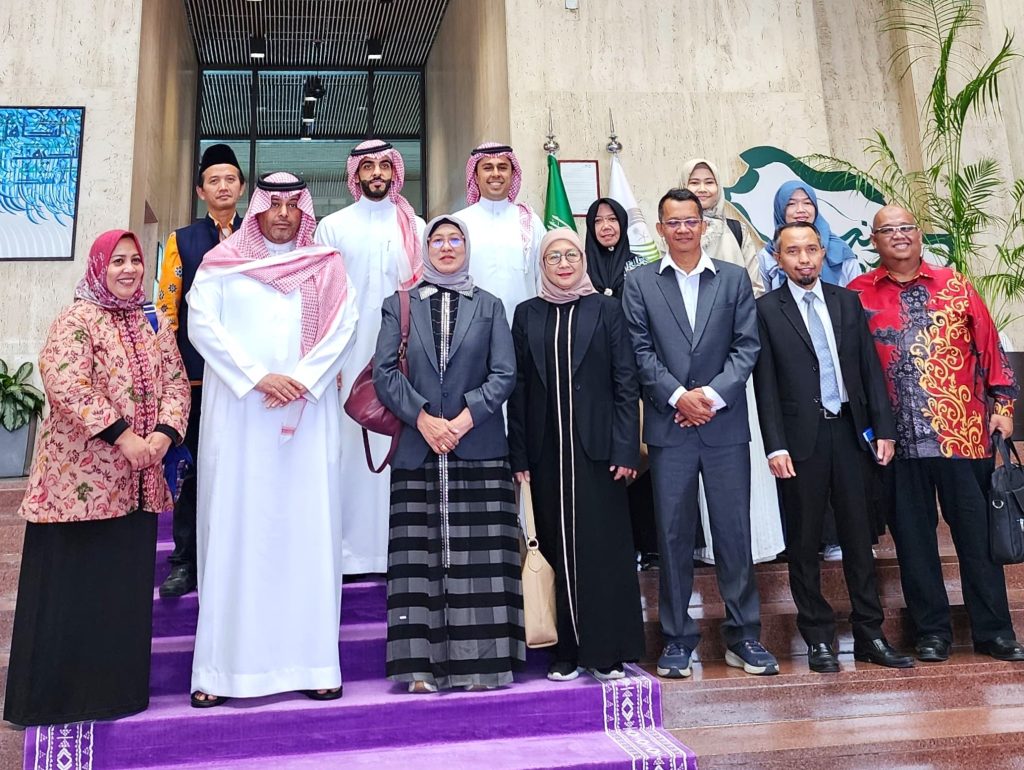
The Rector and the team were welcomed by the leadership of the Saudi Fund for Development (SFD) and a discussion on accelerating the Establishment of the University of Bengkulu’s Teaching Hospital took place at the SFD head office in Riyadh, Saudi Arabia, on Sunday (3/17/2024).
“In the discussion, we are all committed and will implement strategic steps to accelerate the Establishment of the University of Bengkulu’s Teaching Hospital in Bengkulu City,” said Prof. Mochamad Lutfi Firdaus to the PR Team after accompanying the Rector on a visit to the SFD office in Saudi Arabia.
As is known, UNIB continues to boost the progress of the Establishment of the University of Bengkulu’s Teaching Hospital. The location is in the Padang Harapan area of Bengkulu City, using the former land of the Health Polytechnic owned by the Bengkulu Provincial Government which was donated to UNIB several years ago.
This teaching hospital has become the ideal of UNIB in general and the Faculty of Medicine and Health Sciences (FKIK UNIB) in particular, because of its strategic function as an educational facility and also as UNIB’s contribution to the development of Bengkulu in the health sector.
Efforts to establish this hospital began several years ago, with initial work and design including the preparation of readiness criteria, feasibility studies, funding sources, determining potential locations, determining hospital classes and specifications, conducting detailed engineering, designing hospital structures and related facilities, and so on.
In addition to the hospital building, the construction includes supporting facilities for both health services and the teaching and research center of the Faculty of Medicine and Health Sciences (FKIK) UNIB.
The hospital building will consist of 3 blocks, where 2 blocks are 3 floors high and 1 block is 6 floors high. Other facilities, such as a 3-story laboratory building, mosque, waste treatment plant, morgue, parking facilities, and so on.
Since Bengkulu is an earthquake-prone area, the design of this hospital building will adjust to the conditions and meet the specified technical standards and regulations. This hospital will be the first building equipped with a base isolator in Bengkulu Province.
Along with the construction of the hospital building, the procurement of hospital and laboratory equipment and preparation of workers will also be carried out, so that after the completion of physical construction, this hospital can be immediately ready to provide health services to the community.
From this development process, it is expected that the University of Bengkulu’s Hospital will be realized on an area of 14,950 M2, with a total of 120 patient beds. Then, the availability of seven specialist service systems consisting of four major sections, namely surgical services, internal medicine, child health, and obstetrics-gynecology, and three minor services, namely radiology services, clinical pathology, and anesthesia services.
With this development, there will also be a 4905 M2 learning laboratory, consisting of 3 floors located around the Hospital. Then the fulfillment of Hospital facilities and infrastructure, as well as the availability of Hospital management system infrastructure based on information technology.
The construction of UNIB Hospital is 90% funded by foreign loans, which is the Saudi Fund for Development (SFD), and 10% from the APBN funds as matching funds. [Purna Herawan/Public Relations].