
Academics and researchers from abroad such as from the University of Oxford, England, and the University of The Philippines of Los Banos (UPLB), Philippines, came to the University of Bengkulu, Indonesia, to increase collaborative activities in teaching and research. One of the research focuses is related to Rafflesia conservation.
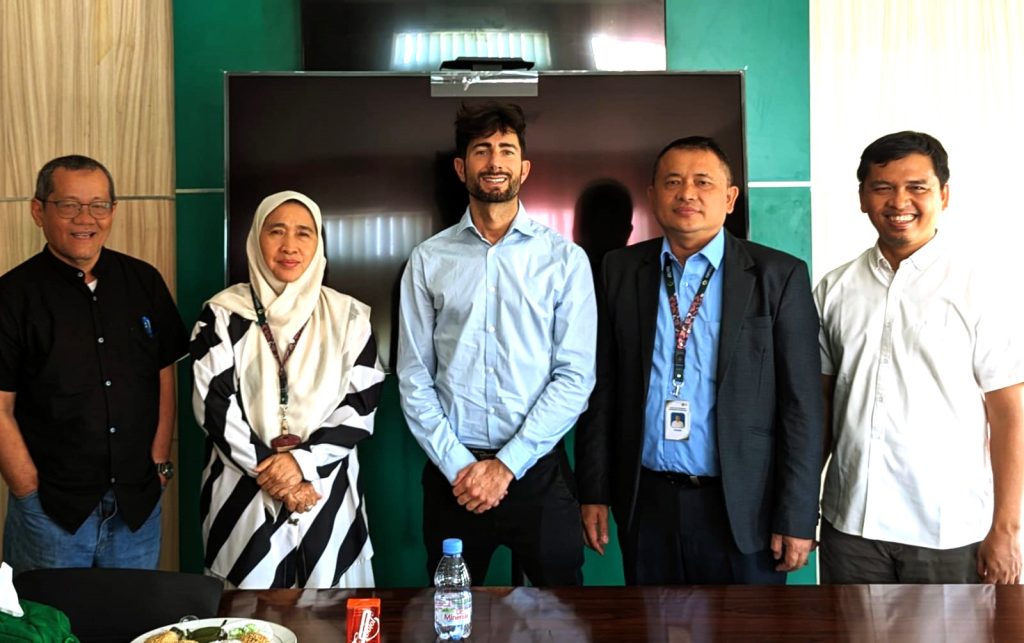
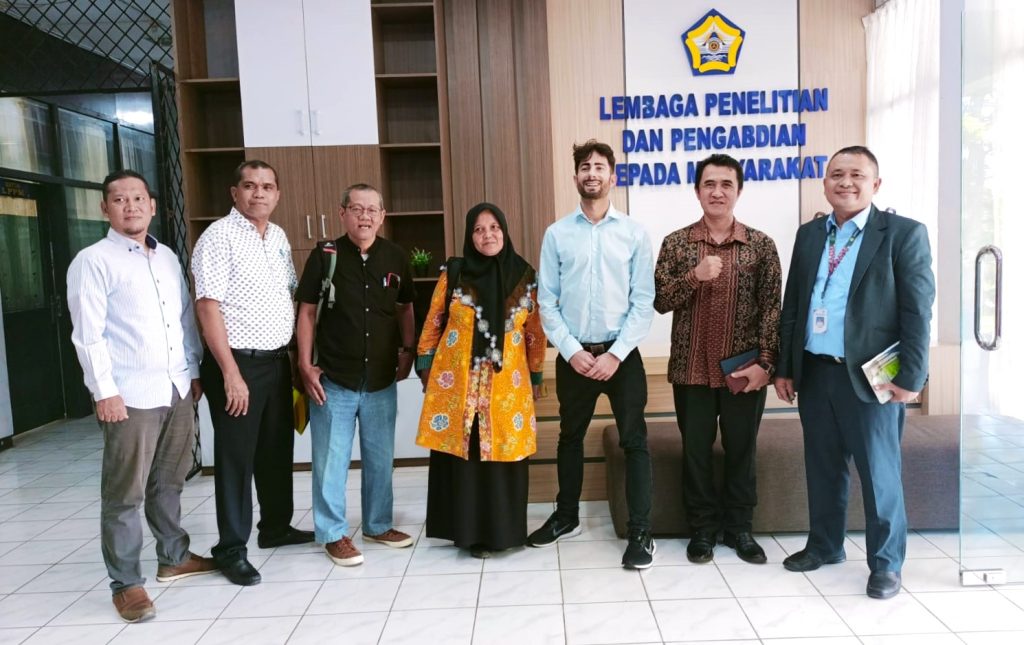
In February 2024, Dr. Chris Thorogood from the University of Oxford and Prof. Pasto L Malbrigo from UPLB Philippines returned to UNIB to carry out several joint activities at the Forestry Department of the Faculty of Agriculture.
They collaborated with Prof. Agus Susatya, carrying out a number of activities including International Guest Lecturer, field visits to the Rafflesia Flower habitat, and conducting discussions on podcast media about learning in the Forestry Department.
While at UNIB, the two international researchers also held meetings and discussions with the Dean of the UNIB Faculty of Agriculture, Prof. Dr. Ir. Dwi Wahyuni Ganefianti, and the Vice Deans, with the leadership of the UNIB Research and Community Service Institute (LPPM) and with the Office of Partnership and International Affairs (KSLI).
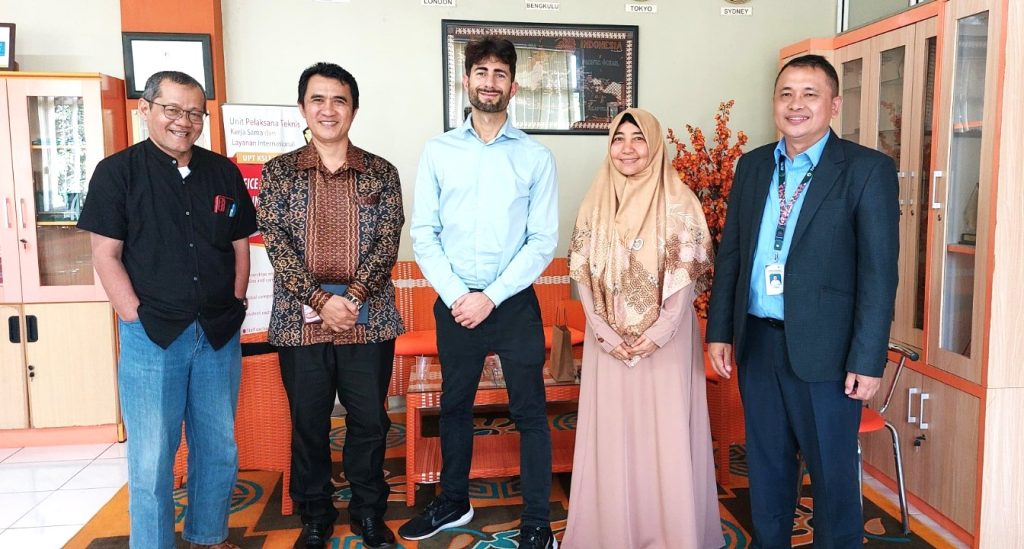
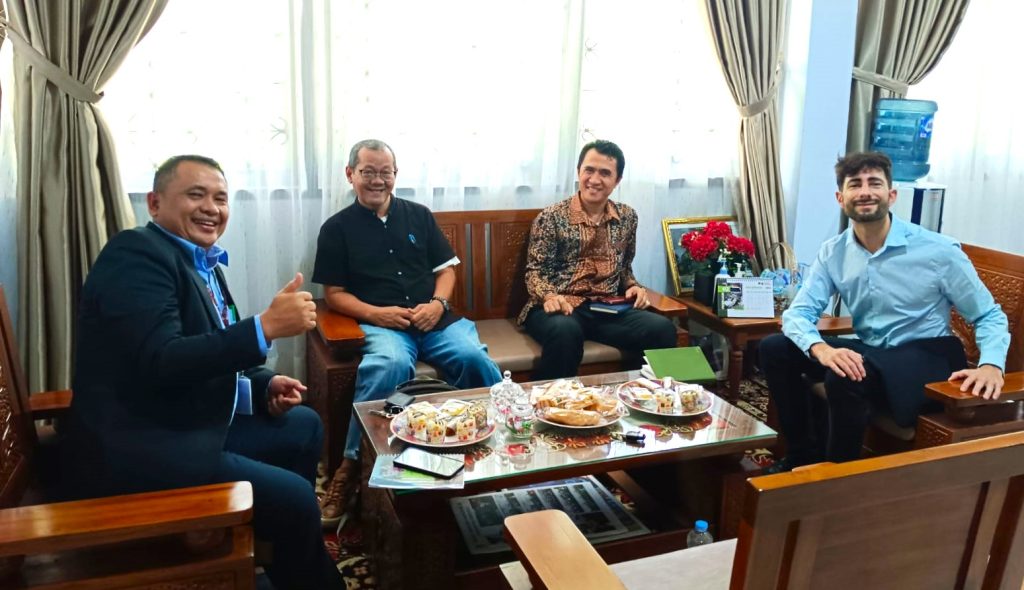
One of the results of the discussion with LPPM UNIB, Dr. Chris Thorogood from the University of Oxford will be invited as a Keynote Speaker at the International Conference by LPPM in 2024.
Dean of the Faculty of Agriculture UNIB, Prof. Dwi Wahyuni Ganefianti through the Vice Dean for Academic Affairs, Dr. Yansen, welcomed and greatly appreciated the increase in international collaboration activities between the University of Oxford and UPLB Philippines with the University of Bengkulu.
In addition to increasing the sharing of information and knowledge, especially related to the focus of the research carried out, this international collaboration activity is also expected to be able to increase the capacity for international relations which has implications for the achievement of the institution’s Main Performance Indicators (IKU), especially concerning foreign lecturers and researchers who are active on UNIB
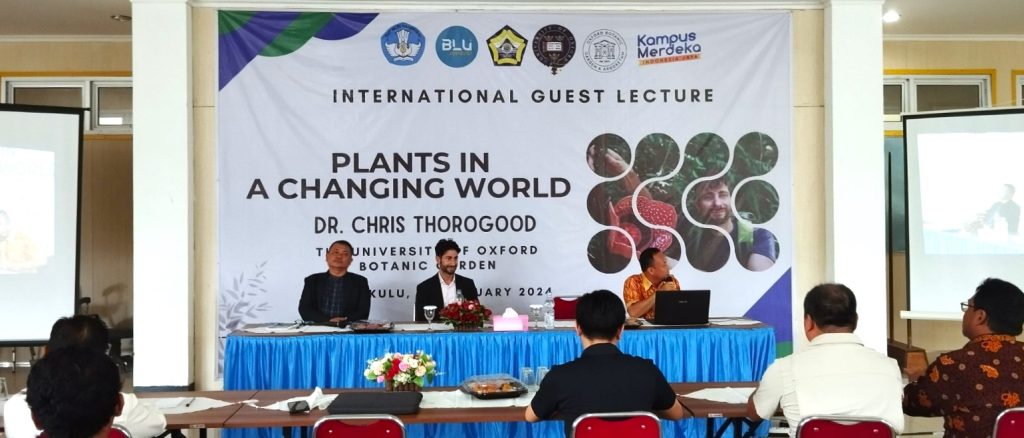
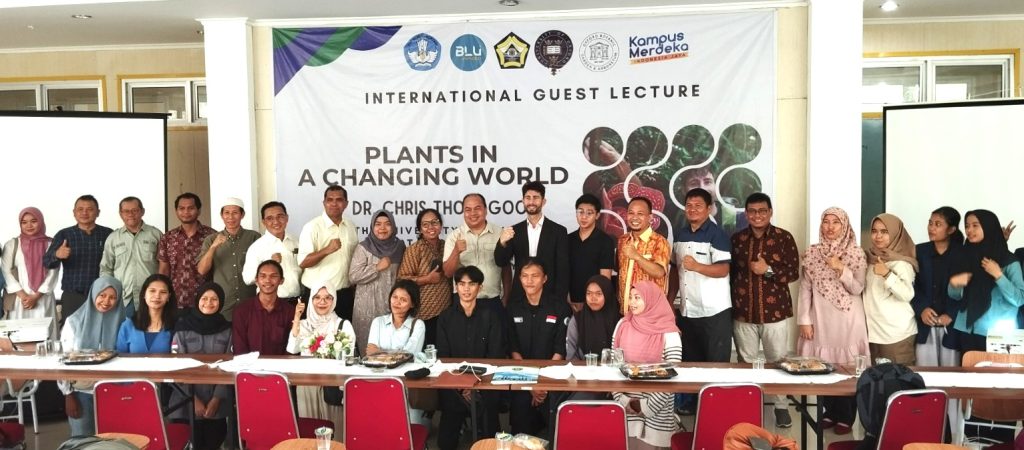
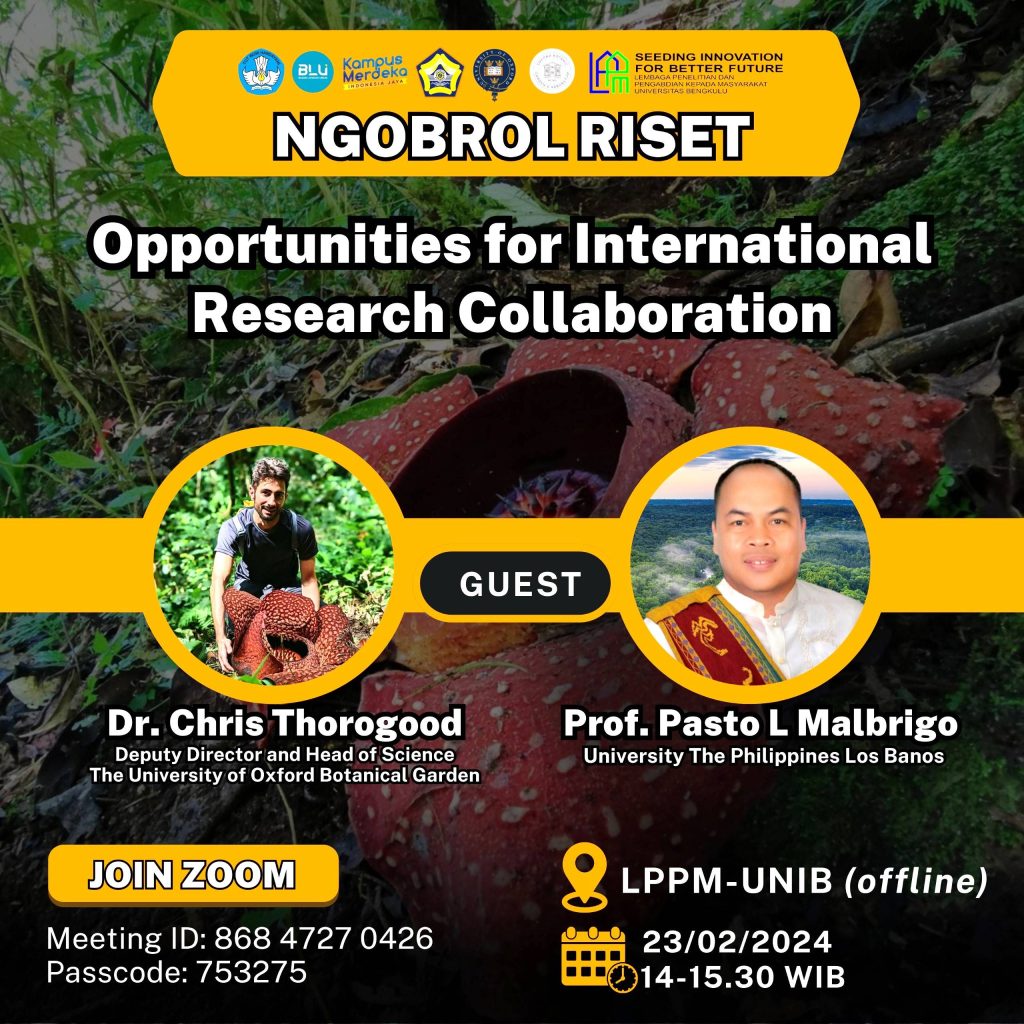
“This activity is also important as a motivation for lecturers and other UNIB students to innovate and build sustainable international cooperation and collaboration programs, which are beneficial for individuals and for building institutional capacity in general,” he said.
Dr. Yansen explained that the research collaboration activity between UNIB researchers and the University of Oxford has started since 2022. It began with a visit by Dr. Chris Thorogood to the University of Bengkulu to see the conservation of Rafflesia.
Dr. Chris Thorogood is the Deputy Director and Head of Science Botanic Garden Univ of Oxford. He visited UNIB with Prof. Pasto L Malbrigo from UPLB and collaborated with a partner (counterpart) in the Forestry Department of UNIB, Prof. Dr. Ir. Agus Susatya, M.Sc, an expert in the field of Rafflesia Flower research and also the Head of the Center for Environmental Studies and Social Forestry LPPM UNIB.
In 2023, facilitated by UPT KSLI and the Faculty of Agriculture, UNIB, the University of Oxford and the University of Bengkulu (UNIB) have a memorandum of understanding (MoU) signed by the leaders of their respective institutions, namely the Director of the University of Oxford Botanic Garden & Arboretum, Professor Simon Hiscock, and the Rector of UNIB, Dr. Retno Agustina Ekaputri, S.E, M.Sc.
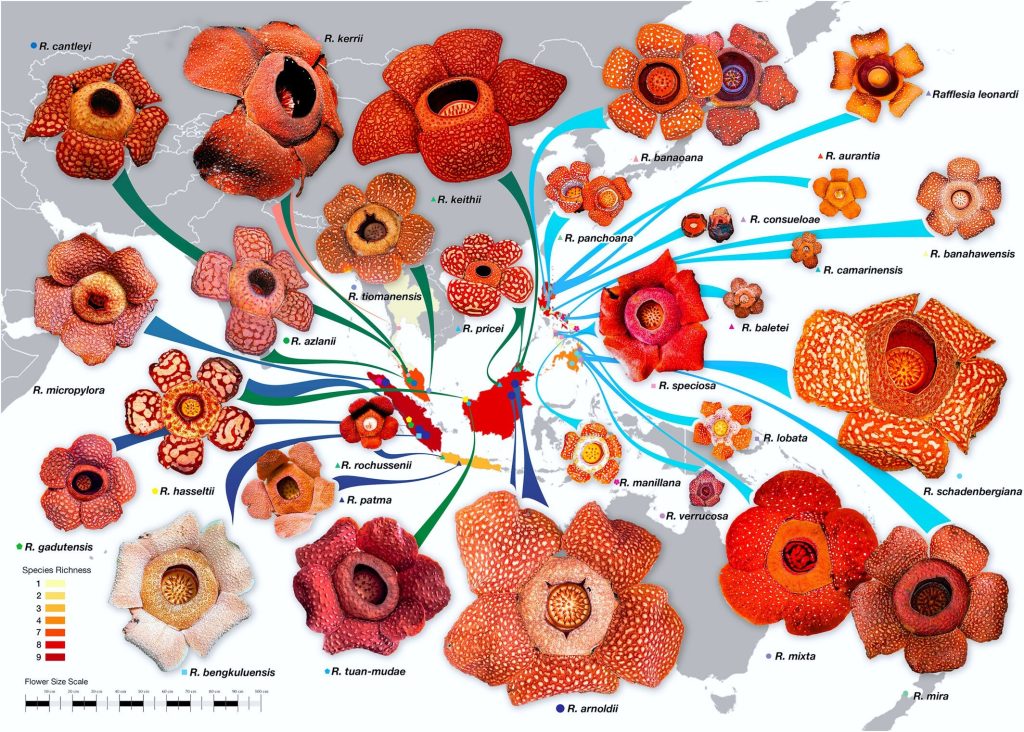
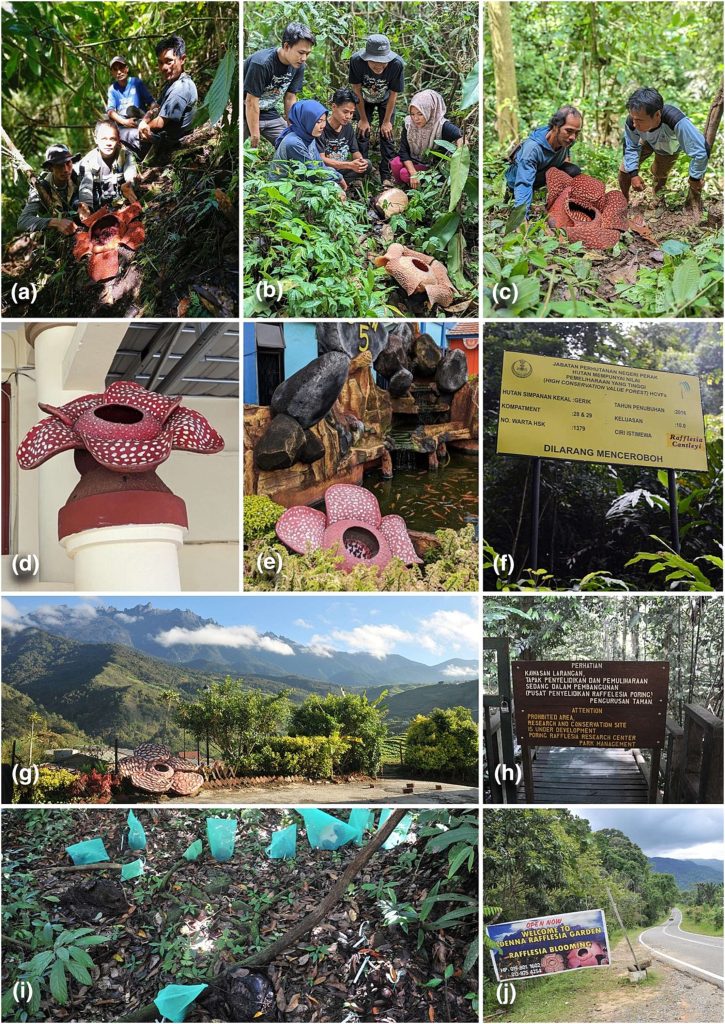
The results of the 2023 collaboration activities are a Research Report from the University of Oxford on Rafflesia Conservation and a joint publication between researchers from the University of Oxford, UNIB, UPLB and BRIN in the international journal Q1. The publication in the Plants People Planet journal in 2023 is entitled “Most of the world’s largest flowers (genus Rafflesia) are now on the brink of extinction.”
“It is hoped that in the future there will be more research results and joint publications produced and have a positive impact on the progress of the institution, as well as providing benefits to the community, especially on how to treat the habitat of the Rafflesia Flower so that it does not become extinct and provides economic benefits and improves welfare,” said Yansen.[Rilis/Purna Herawan/PR].